Home › Services › Warranty & care desk
Fractional homeowner careA fractional homeowner care team for your building.
We answer your homeowners, coordinate the handyman work nobody wants to chase, and close the deficiencies out — for as long as the building needs it, and not a month longer.
A homeowner care team without the payroll
Nobody can justify hiring a full-time person for a two-year window. That is the entire problem, and the entire reason this exists.
Developers & GCs
You are finishing a building. Deficiencies to close out, and new owners to answer for two years. Priced per door on units still in coverage.
Property managers
Tenant requests arrive every week across the portfolio and each one costs your staff a phone call. Priced per building.
Strata councils
Owner items and common property work landing on volunteers who have day jobs. Priced per building.
We have held this role ourselves
We ran the homeowner care side of a development ourselves. The repairs were never the hard part. It was coordinating a handyman for twenty minutes of work in someone's kitchen, then taking the call from the owner asking when somebody was actually coming.
It is a full-time job that does not justify a full-time hire, and it always lands on whoever is least able to drop what they are doing. So we built the team you can borrow instead.

The repair is the easy part
Every one of these is a coordination failure, not a trade failure. That is why hiring another trade never fixes it.
The trade will not come back
Your subcontractor has demobilised, has their own backlog, and has no commercial reason to send two people across town for one door. Your callback sits at the bottom of their list and stays there.
One item, three visits
Drywall, then paint, then the trim carpenter, each on a different day, each needing the resident home. A two-hour fix becomes six weeks of elapsed time and three access bookings.
The owner is left in the dark
They are waiting for a call from a subcontractor they have never heard of, to arrange a visit nobody has confirmed. Silence is what turns a small item into a complaint.
Nobody owns the ticket
Construction has moved to the next site, sales has closed the file, and the item sits in somebody's inbox between two jobs that both outrank it.
You cannot back-charge
The responsible sub should carry some of this, but without dated notice, scope, photographs and sign-off, there is nothing to hold them to and the cost stays with you.
The 15-month list lands all at once
The strata's consultant hands you a few hundred common property items weeks before the deadline. There is no version of absorbing that with existing staff.
A response standard, not a repair crew
We become the voice the homeowner hears. Every acknowledgement, booking, reschedule, and completion notice comes from us, under your name, using wording you approved — so nobody is ever waiting on a call from a subcontractor they have never heard of. Owners accept that things need adjusting in a new building. What they will not accept is silence.
| Standard | Target |
|---|---|
| Homeowner request acknowledged by a person | 1 business day |
| Attendance scheduled with the resident | 5 business days |
| Homeowner updated at every status change, in your name | Same day, every time |
| Standard in-suite item closed | 30 calendar days from intake |
| Emergency triage — water, heat, power, security | Same day, attendance within 24 hours |
| Aging report issued to your nominated contact | First business day of each month |
Every standard on this page is measured and reported back to you monthly, including the ones we miss.
What we take on, and what stays with you
The line matters. We handle the workload. You keep every decision that carries legal or reputational weight.
We take on
- Intake of every homeowner request, through an address and line carrying your name
- Triage of each item against the coverage matrix you approve
- Resident contact, access booking, notice, and rescheduling
- Repairs by our own technicians, and management of any trade we sub
- Completion verification, photographs, and resident sign-off
- Deadline tracking against the applicable reporting periods
- The monthly aging report and quarterly trade analysis
You keep
- Every coverage determination. We recommend, you decide
- Any communication that declines a claim, under your name
- Approval of all homeowner-facing templates before first use
- Escalation authority, with the complete file handed back
- The right to audit any dispatch decision at any time
- Ownership of the register and the closeout archive
Resolved with you, before it reaches a claim
Once an owner gives up on the builder and goes to the warranty provider, the item stops being a repair and becomes a claim. It goes on record, it gets adjudicated by someone who has never seen the building, and the outcome is no longer yours to control.
Almost none of that is necessary. Most escalations happen because nobody answered, not because the item was refused. Our whole job is to close it before it gets there — and to have the paperwork ready in the cases where it does.
- Items resolved at the builder level, before an owner escalates
- Dated notice, scope, photographs and resident sign-off on every item, in the form a provider asks for
- Your incomplete-items and completion certificate obligations tracked against the seven-day filing window
- Nothing filed and no position taken on your behalf without your sign-off
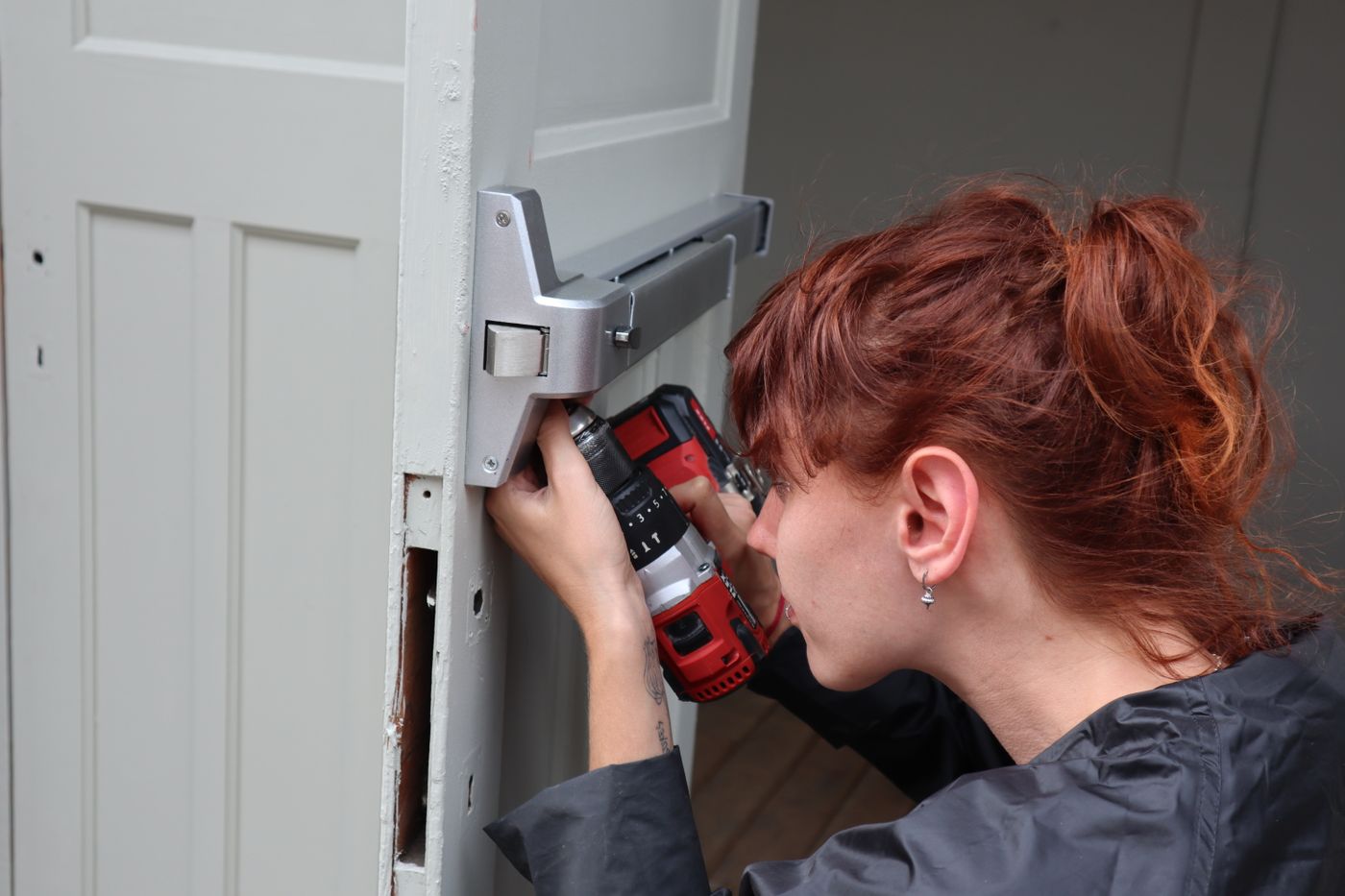
The work is predictable, so we staff for it.
Statutory minimum coverage on new homes in British Columbia. The policy on a given building governs, but the deadlines drive the volume, and every one of them is known from the completion date.
| Window | What it covers | What it generates |
|---|---|---|
| Turnover / PDI | Walkthrough items across every suite at once | Blitz work, priced per suite |
| 12 months | Materials and labour on the unit | Owner claims filed before the deadline |
| 15 months | Materials and labour on common property | Consultant-prepared list from the strata |
| 24 months | Electrical, plumbing, heating and ventilation distribution | Systems-related callbacks |
| 5 years | Building envelope, including water penetration | Envelope investigation and reinstatement |
| 10 years | Structure | Structural claims, handled with the consultant |
General information about how the coverage periods work, not legal or policy advice. Your warranty provider's policy wording governs any specific claim.
Three ways to buy it, depending on volume
Most developers start by handing us a batch of tickets, because it needs no commitment. Once the volume is visible, per-suite and per-door pricing are cheaper for both of us.
By the ticket
Time and materials on a first batch of callbacks or an ad hoc list. No commitment, and it proves the pipeline before you commit to anything larger.
- Deficiency clearing before completion
- Warranty callbacks after it
By the suite
Flat rate per unit for a PDI or occupancy blitz, with a standing crew on site until the building is done. Cheaper than hourly once the volume is visible.
- Whole-building PDI and punch list
- Scheduled backwards from your completion date
By the door
The full care desk. We answer the homeowner, triage the item, book the access, do the work, and report. Fixed monthly against units in coverage.
- Sized to your actual obligation
- Reduces as each building leaves coverage
The 90-day pilot
One building, ninety days, fixed fee. We start by taking on your existing open backlog rather than beginning from a clean slate, because that is the part nobody wants and the fastest way to show what the desk does.
- Fixed fee for the coordination function, quoted on unit count
- Repairs billed separately at published rates
- Materials at cost plus 15 percent, receipts attached
- No term commitment beyond the ninety days
Warranty homeowner care questions
Are you insured for work inside occupied homes?
Yes. Commercial general liability with your entity named as additional insured, and criminal record checks on every technician entering an occupied suite. Certificates are issued before the first attendance.
Do you decide what is covered under warranty?
No. We triage against a written coverage matrix you approve, and we recommend. You make the determination, and any communication that declines a claim goes out under your name and your authority. We never put ourselves between you and a decision that could be argued later.
How is the fee structured?
A fixed fee per door per month against units currently in coverage. Repairs are billed separately at published rates. The management fee is deliberately never a percentage of repair spend — if it were, we would be triaging work that we profit from approving, and you would be right not to trust it.
We run a homeowner portal. Can you work inside it?
Yes, and that is our preference. Give us a vendor or subcontractor seat and we work in the system you already run, so your team sees status without asking us for it. If a seat is not available, we take work orders by email and return closeouts the same way. Either way there is no new software for your staff to learn, and nothing for you to buy.
What if we do not have a system?
Then we bring the register. You get the same monthly report either way, in whatever format your team already uses. Plenty of our work arrives as a forwarded email or a spreadsheet, and that is fine.
Who talks to the homeowner?
We do, through a forwarding address and phone line carrying your name, using templates you approve before first use. Anything a resident disputes is handed back to you with the complete file attached rather than argued on your behalf.
Do you do the repairs yourselves?
Most of them. Our technicians cover doors and hardware, drywall and paint, caulking, cabinets, tile, fixtures, blinds, and minor plumbing trim. Licensed electrical, mechanical, glass, and permitted work is subcontracted and managed by us on the same ticket.
What if the original trade should be doing this under their own warranty?
Often they should, and the quarterly trade analysis is what lets you pursue that. We flag it, close the item so the homeowner is not caught in the middle, and give you the evidence to back-charge. Chasing your subcontractors is your commercial decision, not ours to make quietly.
How quickly can a desk start?
Two weeks from a signed pilot. We need your open item list, unit list and occupancy dates, the coverage matrix or a half-day to draft one for your approval, a forwarding alias in your name, and a named contact for escalations.
Send us your open item list
We will come back with what it would cost to clear it and run the desk for ninety days. No obligation past that.